The Algorithmic Audition: Why Your Pretty Resume Gets Ghosted
The Algorithmic Audition: Why Your Pretty Resume Gets Ghosted
You spent hours perfecting your resume. The layout is sleek. The font is modern. The colors pop.
But here's the problem: It never even made it to a human.
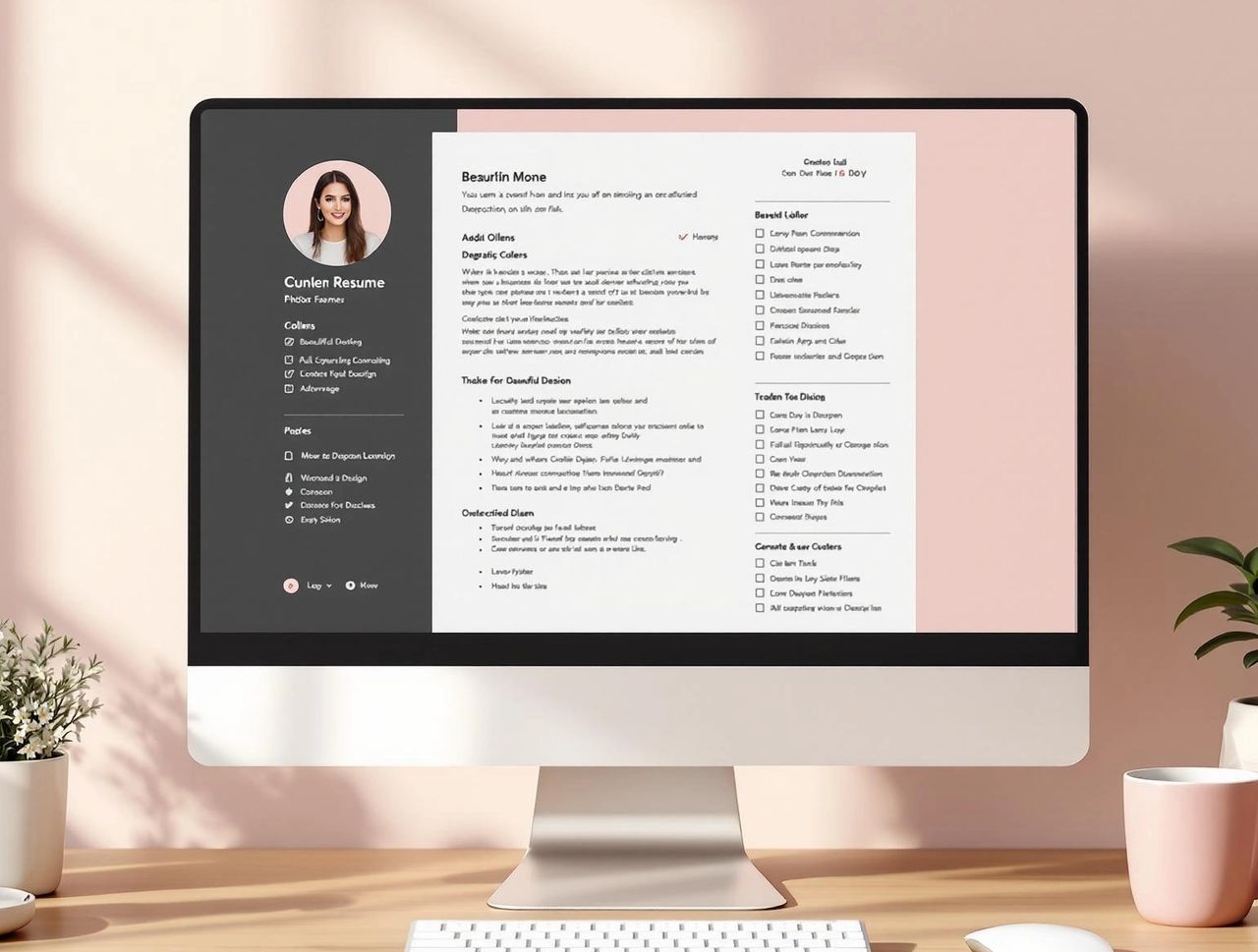
Before your resume lands on a recruiter's screen, it has to survive the algorithmic audition—a behind-the-scenes software screening known as an ATS (Applicant Tracking System). And sadly, many Canva-style or overly designed resumes get filtered out before they're even read.
Let's break down what the ATS can and can't see… and what that means for your job search.
What the ATS Can Read:
To pass the first test, your resume needs to be machine-readable and structured like a document, not a design file. Here's what works:
- One-column Word documents (.docx)
- Standard fonts like Calibri, Arial, or Georgia
- Clear section headings like "Work Experience" or "Skills"
- Bullet points that include metrics and keywords
What Breaks the Bot:
Even the most beautiful resume won't help if the algorithm can't read it. These common design elements confuse or break the software:
- Fancy Canva templates
- Designer-style PDFs with broken formatting
- Champagne-colored fonts (Yes, really)
- Text boxes, icons, and graphics
- Keyword-stuffing without real context
So What Should You Do?
Build TWO versions of your resume:
- The ATS Version: Clean, keyword-rich, one-column .docx file. This one gets you through the robot filter.
- The Human Version: A beautiful, designed PDF you can share directly with a hiring manager, post on LinkedIn, or bring to an interview.
Keywords Are Your Cheat Code
Read the job description carefully. Pull out the exact words and phrases they use—especially for skills and tools—and mirror them in your resume. This isn't gaming the system. It's speaking the system's language.
Ready to build a resume that actually gets read? Check out my job seeker resources or grab a resume audit to get expert eyes on your application.
Stay in the loop
Get career insights delivered to your inbox
No spam, just actionable tips on careers, remote work, and business.